

Supporting Brain Health in the Market Community
This QCAPture highlights a recent Market Health Day: Brain Health event, which brought together community members, practitioners, and researchers to raise awareness around dementia and promote practical approaches to supporting brain health.
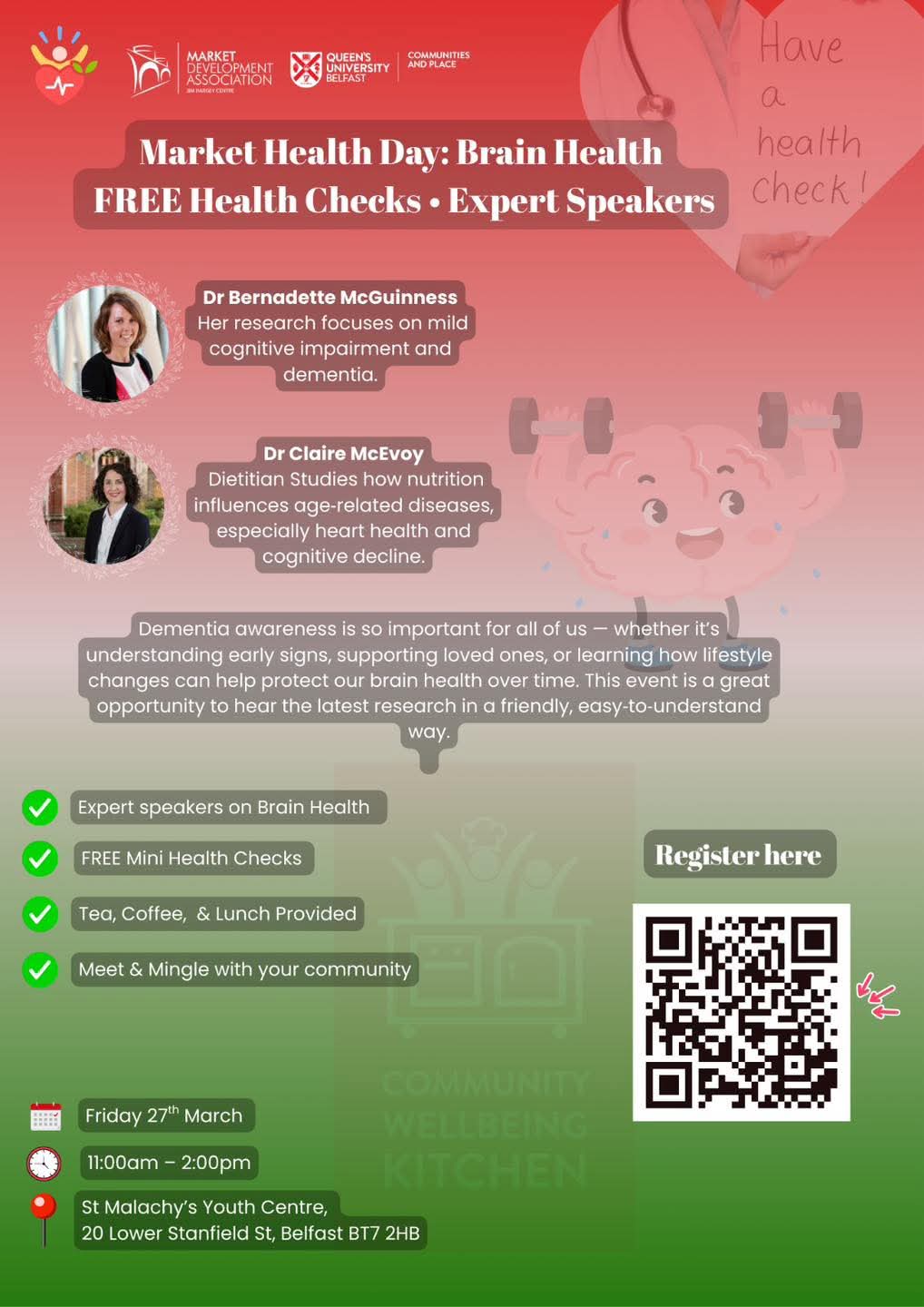
The Brain Health Event focused on increasing understanding of dementia risk factors, with expert speakers sharing insights on prevention, lifestyle changes, and the importance of early intervention. These contributions helped to translate complex health information into accessible messages, supporting individuals to better understand how brain health can be maintained over time. Alongside this, attendees were offered free health checks and the opportunity to engage directly with a range of support services, creating a space where information, advice, and care were readily available in a familiar community setting.
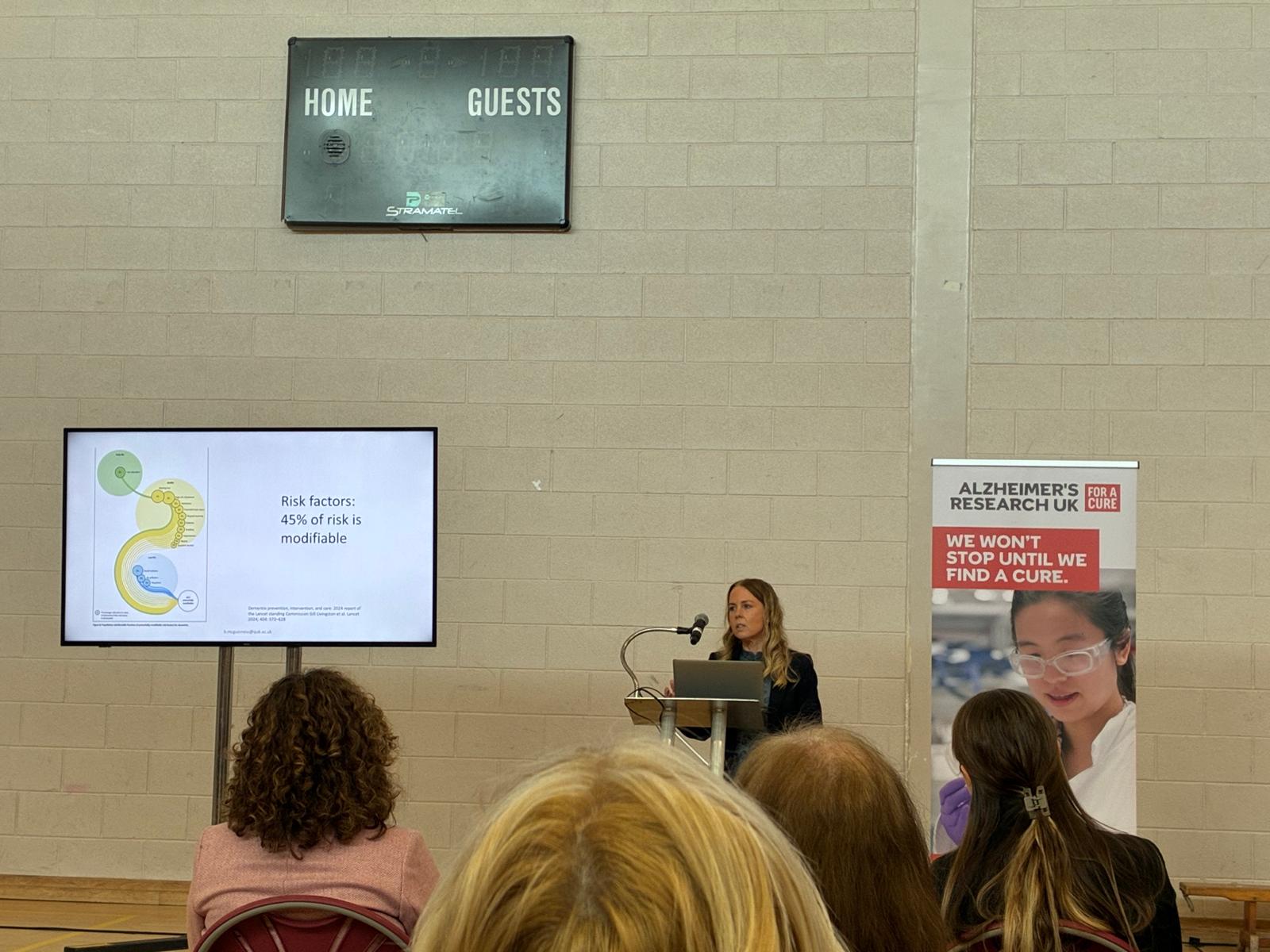
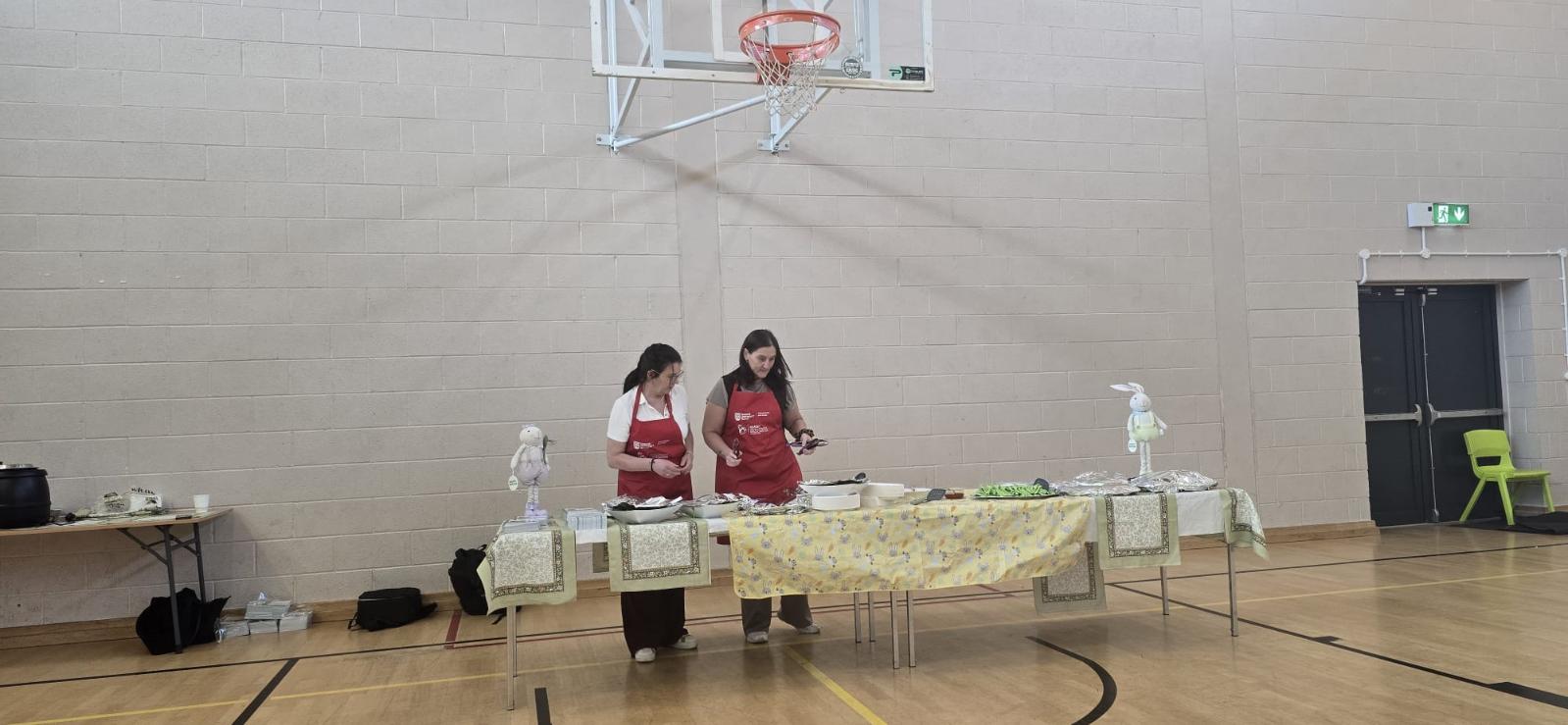
A key feature of the day was its emphasis on practical, everyday actions that can support brain health, including diet, physical activity, and maintaining social connections. Interactive elements, such as food demonstrations and informal conversations with practitioners, helped to reinforce these messages and encouraged participants to reflect on small, achievable changes in their daily lives. The event created a welcoming and inclusive environment, enabling open discussion and shared learning across different groups. Colleagues from QCAP were in attendance, including Professor Kathryn Higgins, Niki McKnight, Dr Gavin Brewis, Dr Neal Halforty, Dr Emma Loudon and Amy O’Riordan, reflecting QCAP’s ongoing engagement with community partners and its commitment to supporting locally embedded health and wellbeing initiatives. There was also academic input from other colleagues across QUB including Dr. Bernadette McGuinness whose research focusses on mild cognitive impairment and dementia as well as Dr. Claire McEvoy whose research explores how nutrition influences age-related diseases, especially through heart health and cognitive decline. Community facilitators were also present from the Community Wellbeing Kitchen (a joint MDA/QCAP engaged research initiative) and provided a tailored and healthy lunch menu for the event.
The event demonstrated the importance of locally grounded, collaborative approaches to health promotion. It highlighted how community-based settings can act as key sites for engagement, offering trusted and accessible spaces where individuals can connect with services, build knowledge, and support their own wellbeing. More broadly, it reflects the value of partnership working in addressing health inequalities and promoting preventative approaches within communities.