

A reflection on Orangefield Pavilion
Orangefield Pavilion and Bowling Green is an unused bowling pavilion located in Orangefield Park, East Belfast and subject of one of GroundsWell's Community Innovation Fund projects. PhD researcher, Hannah Thompson, reflects on the work.
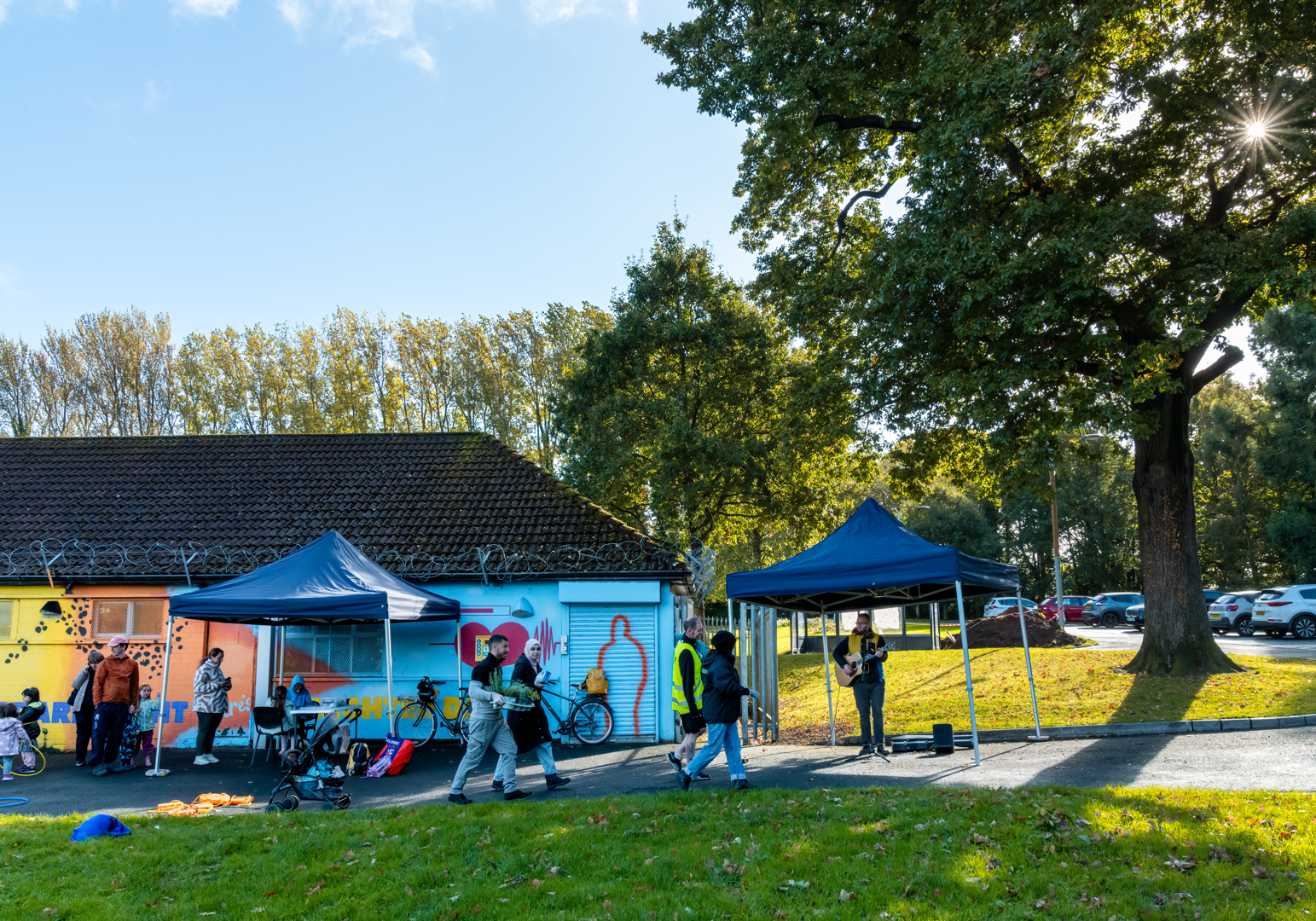
Orangefield Park is situated along the Connswater Community Greenway, a 16km walking and cycling route through East Belfast. The park is the largest area of open parkland along the greenway and contains playing fields, sports courts, cycling tracks and a velodrome.
The Pavilion has been largely out of use in recent years, with the local parkrun occasionally accessing it for a few hours on Saturday mornings and the Bloomfield Wildlife Watch on Tuesday evenings. The building consists of an office, two storerooms currently used by Council Parks staff, a kitchen, a central space, and toilet facilities. Although still functional, the Pavilion requires refurbishment and layout modifications to improve its usability and to better connect it with the adjacent bowling green. EastSide Partnership recognise that the pavilion and bowling green have the potential to become a valuable community asset. Therefore, a management strategy with Belfast City Council retaining ownership could explore this potential.
Through the help of the Groundswell Innovation Fund, public consultation in the form of 5 participatory workshops, a user survey of the Park and Pavilion, and engagement with the local community and user groups in East Belfast, we explored the development opportunities to turn this space into a utilised asset. The participatory workshops were held from June 2023 to October 2024, involving local residents and keen community groups. The importance of these sessions was to allow them to have their say regarding the use and development of the space.
The first session focused on developing an understanding of what the park and the Pavilion mean to those involved in the consultations. This involved, but was not limited to, parkrun, football, general exercise, a place to enjoy nature, attend family events and a place to relax. The session was led by EastSide Partnership, and they determined that most wanted the space for meeting purposes and as a public facility but were reluctant to pay for its use. The session discussed community ownership but also highlighted the need for a realistic income plan to keep it financially sustainable.
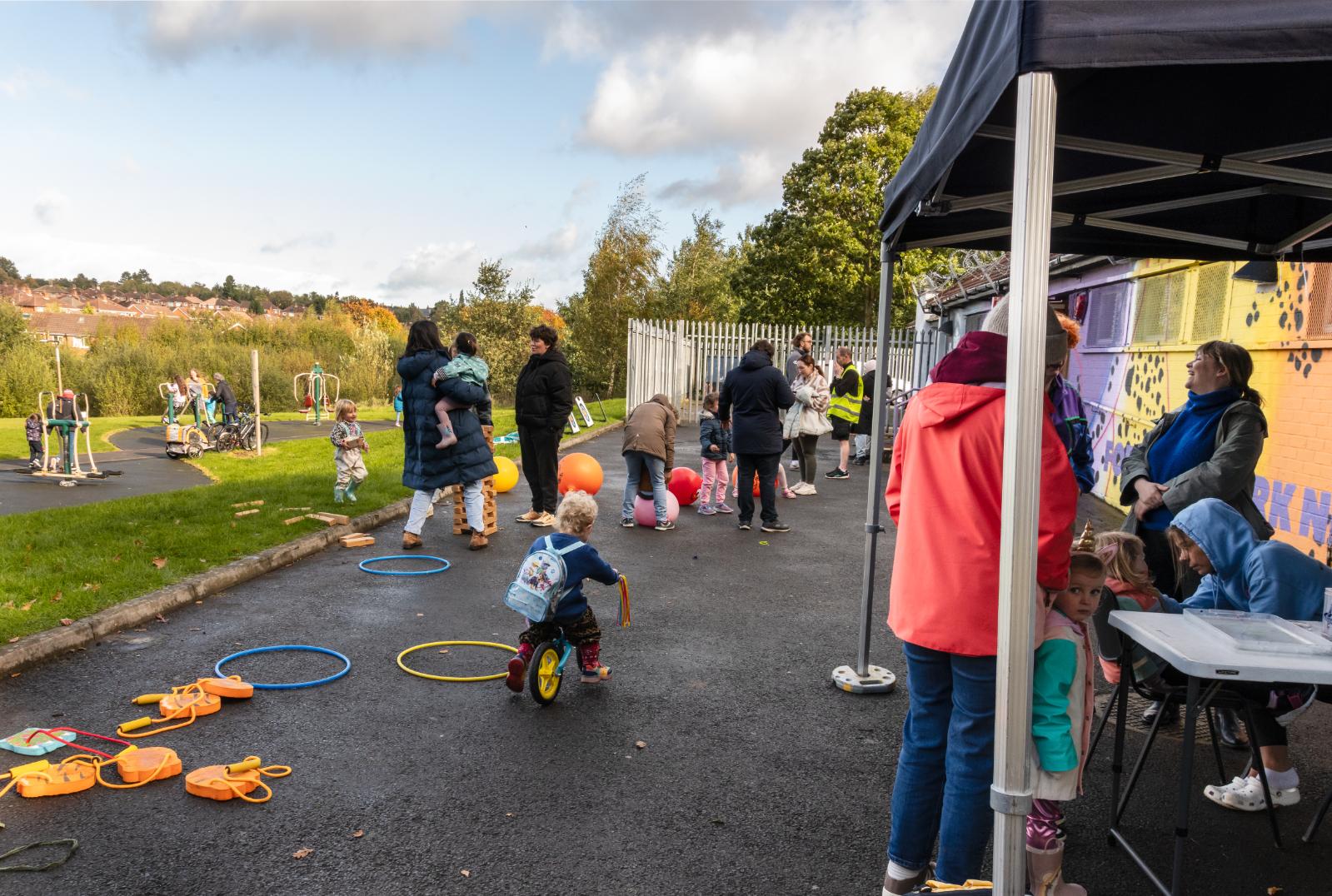
Building on the initial discussions from June, further engagement sessions were held to explore public attitudes and gather suggestions for the future development of the Pavilion. These meetings focused on key questions, such as what the Pavilion currently means to individuals, which existing park activities could benefit from its use, and what a future vision for the space might look like. Local people have a strong emotional affiliation with the Pavilion and saw its potential in enhancing use of the wider park. As with similar projects across the UK, when a community is allowed to have their say in the development and management of Urban Green and Blue Space (UGBS) assets, they develop a sense of pride, appreciation and emotional ownership towards them. This is, in a large part, because they have been involved with the process of change.
Each session highlighted the local community’s strong appreciation for the upkeep and cleanliness of the surrounding park. This is supported by Eastside volunteers and residents. The park’s rich biodiversity has inspired groups to form, which are dedicated to the protection and enjoyment of the park.
There was a clear emphasis on the value of collaboration, with suggestions to establish a committee to coordinate scheduling and activities within the space. Stakeholders also highlighted the importance of history and heritage, including local stories and keeping the social memory of the community. Both the sessions and the user survey addressed the contestation around the bonfire site, located in front of the pavilion. Some residents and organisations display their culture through this, while others consider it an eyesore and a hotspot for anti-social behaviour. Therefore, there is a need to better integrate the bonfire and how culture is expressed within the park. As the survey showed, this is a contentious issue, but partly because it is not managed within an agreed framework in which the Pavilion could play a pivotal role.
Before the last 2 sessions, a site visit was held with Eastside, Belfast City Council, the architect, and the appointed consultant. The overall aim was to determine whether the building could be revitalised with modest change, or a complete redevelopment was necessary. This led on to the follow-up session involving the consultant and architect who provided initial design concepts in 5 potential phases to the key stakeholders. The current and proposed pavilion are shown below.
Current situation vs proposed situation
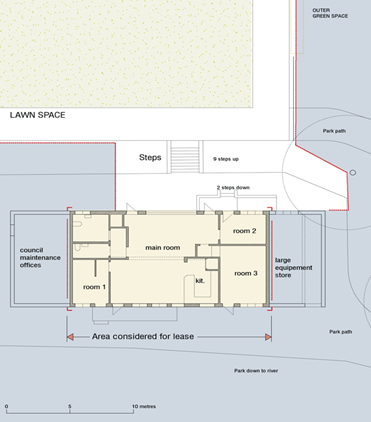
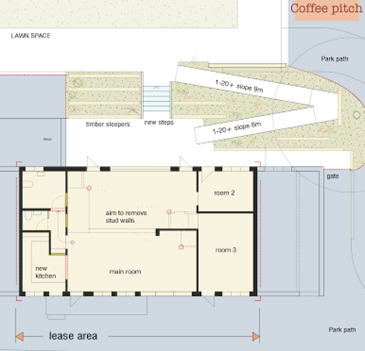
The proposed situation focuses on remodelling the building, repurposing the rooms currently occupied by council offices and improving disability accessibility to the building and bowling green.
Before the engagement session with the community in October 2024, researchers at Queen’s, with input from EastSide Partnership, created the Orangefield Park and Pavilion User E-Survey. The survey was issued online across various platforms, including the “People of Orangefield” Facebook page, networks across East Belfast and EastSide Partnerships’ various social media accounts. 334 responses were collected for data analysis. Three-quarters of survey respondents feel the park is good or very good, indicating it is an asset users value. Further analysis highlighted opportunities to enhance facilities, services, and biodiversity. Respondents expressed a desire for more organised activities and inclusive services that cater to the whole community. Unlike users’ opinions towards the park, respondents are most dissatisfied with the physical condition of the Pavilion (47%), its appearance (45%) and anti-social behaviour (44%) around the facility. Only 13% are satisfied with the community’s role in its management, and 14% with the range of activities it offers. Suggestions for improving the Pavilion focus on the appearance and condition of the building (75.5%) with a desire to repurpose the building for community benefit (62%) and as a safe space for children (54%).
The final session engaged the local people through the animation of the Pavilion and the outside area. Inside the Pavilion, results from the user survey, issues highlighted by individuals and design concepts were printed and displayed. This allowed for the community to critically evaluate the material and give additional feedback on its future design and use. This interactive session drew in parents and children, sparking ideas for future use. These included youth programmes, kids clubs, a community hub, parent and toddler groups, and themed events. The workshops revealed a variety of ideas, needs, and challenges that the Pavilion's redevelopment could address. These insights, along with the strategic case and needs analysis, help inform the goals for the broader development.
The developed business plan pushes for a management strategy agreed with EastSide Partnership and Belfast City Council. Although this process can be time-consuming, the local residents and organisations recognise that the pavilion has the potential to be much more and are willing to wait for progress.
You can read more about the Community Innovation Fund work, and access briefing papers summarising the research here.